Introduction
Relocating internationally from the UAE marks an exciting new chapter, but it can also feel complex and overwhelming if you don’t know where to start. Between handling visas, organizing your belongings, and preparing your family for an entirely new environment, it’s easy to feel stuck or anxious.
The key to a smooth move is having a clear, practical checklist that breaks down every major step with straightforward guidance. This blog is designed to answer the pain points many people face uncertainty about paperwork, the challenge of packing, and how to settle in comfortably. Follow the steps below, and your journey will be simpler, less stressful, and set up for success.
Research Your New Country
Before you start the process, spend time understanding your destination’s laws, cost of living, climate, culture, and safety situation. This helps you avoid surprises, adjust your finances, and plan better for daily life.?
How to Check embassy websites, government advisories, and expat forums. If moving for work or study, ask your employer or university for relocation guides.
Prepare and Organize Important Documents
You’ll need a variety of official documents for immigration, employment, housing, and healthcare abroad. Missing paperwork can cause delays or even entry denial.?
Compile and make copies (digital and physical) of:
- Passports (valid at least 6 months)
- Visas or entry permits
- Emirates ID and UAE residence cancellation letter
- Birth and marriage certificates
- Degree or academic certificates (attested if needed)
- Medical records and immunization cards
- Driver’s license (and international driving permit, if needed)
Organize them in a folder for quick access during your move.
Audit, Sort, and Downsize Belongings
International shipping is priced by volume and weight; taking less saves money and effort. Customs can be strict, so avoid sending prohibited or unnecessary items.?
- Create three groups: ship, sell/donate, or dispose.
- Take photos/inventory of all valuables for customs and insurance.
- Check destination country rules on what you can or cannot bring.
Choose Your Shipping and Moving Services
When choosing your shipping and moving services for an international move from the UAE, it is important to carefully evaluate your options to have peace of mind and ensure your belongings arrive safely and on time. International moving companies in the UAE typically offer a range of services such as air and sea freight, professional packing, insurance coverage, and door-to-door delivery.
To make an informed decision, it is advisable to request at least three quotes from reputable movers. During your discussions, be sure to inquire specifically about their packing methods, the types and extent of insurance available, options for storage if needed, and how they will handle customs clearance on your behalf. Also, clarify the timelines for delivery, as air freight generally takes just a few days while sea freight might take several weeks. Understanding all associated costs as well as the services included will help you choose the best moving company tailored to your specific needs.
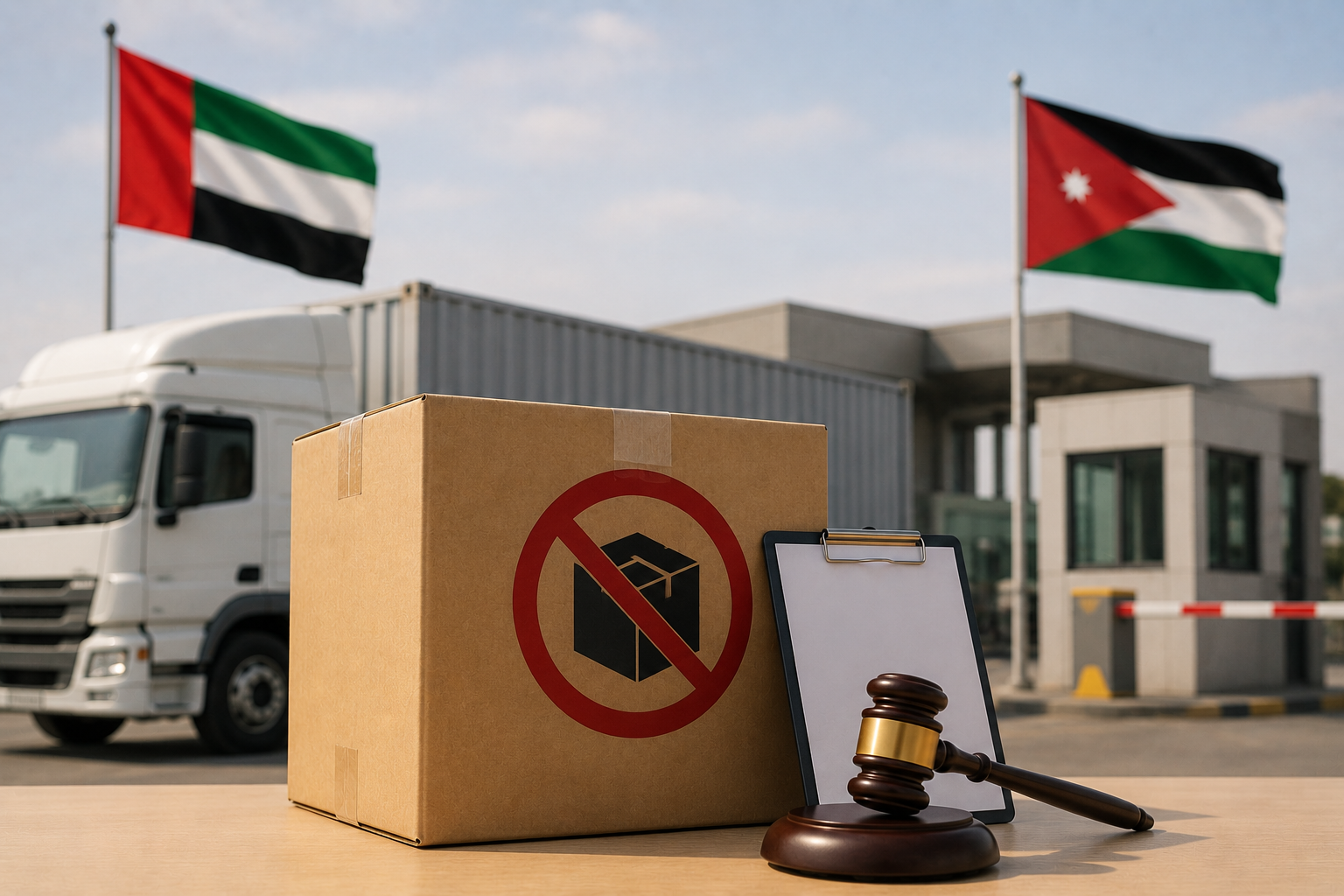
Understand Customs and Import Regulations
Each country has its own list of banned/restricted goods, and certain items may trigger taxes or quarantine. Getting this step wrong can lead to fines, confiscation, or major delays.?
- Research your destination’s prohibited/restricted list (e.g., food, electronics, instruments, medicines).
- Prepare detailed inventory lists and accurate values for customs forms.
- Consult your mover or a customs broker for up-to-date information.
Arrange Temporary Accommodation and Housing
You may need somewhere to stay just before departure or immediately upon arrival. Securing housing or a short-term rental reduces stress and avoids being stranded.?
- Book temporary accommodation for the first weeks.
- If possible, organize a permanent home in advance.
- Contact real estate agents or use reputable online platforms.
Handle Financial, Banking, and Tax Matters
When relocating internationally from the UAE, it’s important to properly manage your bank accounts to avoid any future complications. Notify your bank about your move and settle all pending payments before closing unnecessary accounts. Many banks allow you to close accounts remotely by submitting a closure form and required documents via email or online banking.
Additionally, consider opening a bank account in your new country before arrival to ensure smoother financial transactions. Carry some local currency for immediate expenses during your first days abroad. These steps help ensure your finances are in order, preventing issues like dormant accounts, extra fees, or restricted access to funds.
Health Insurance and Medical Preparation
UAE health insurance usually ends on departure. Many countries require proof of coverage for entry or residence. Health emergencies abroad are expensive without proper insurance.?
- Arrange international or destination country health insurance to start at arrival.
- Get copies of medical and vaccination records, prescriptions, and translations if necessary.
- Pack a small medical kit and renew medications.
Plan School Transfers and Educational Requirements
If you have children, early preparation ensures a smooth education transition and prevents missed school years or delayed enrollment.?
- Research and contact possible schools well in advance
- Obtain transfer certificates, transcripts, and recommendation letters
- Understand language requirements or entrance exams
Notify Authorities, Cancel Utilities, and Close Contracts
Leaving outstanding bills, utilities, or official registrations in the UAE can lead to fines or administrative issues.?
- Cancel tenancy contract, collect security deposit, and inform your landlord
- Close electricity, water, phone, and internet subscriptions
- Settle final bills (credit cards, loans, gym memberships)
- Deregister with local authorities and cancel any active visas
Arrange Travel and Book Flights Early
Booking early means better prices and availability, especially during busy departure months. Keeping travel documents handy saves last minute stress.
- Book your flights as soon as your move date is set
- Keep important documents in carry on (passport, visa, tickets)
- Inform family, friends, and workplace of your travel plans
Prepare for Pets or Vehicle Transfers (if applicable)
Moving pets and vehicles abroad involves strict health checks and paperwork; failing to prepare could result in animals being turned away or cars denied import.?
- Research pet import rules vaccines, pet passport, microchipping, and possible quarantine
- Arrange transport, crate training, and veterinary visits for your pets
- Review your new country’s rules on bringing in vehicles, including taxes and required permits
Plan for Settling In and Support Networks
The transition period is easier with social and practical support for things like translation, local customs, and getting around.
- Join expat communities or social groups for your new country
- Download relevant apps for maps, translation, or local services
- List emergency numbers and embassy contacts in your new country
Step-by-Step International Relocation Plan
Step 1: Consultation & Planning
Discuss destination, shipment size, and timeline with your moving consultant.
This helps create a clear relocation strategy tailored to your specific needs and budget.
Step 2: Site Survey & Quotation
A pre-move survey helps estimate cost accurately and plan logistics.
It ensures there are no hidden charges and that all items are accounted for before moving day.
Step 3: Packing & Labeling
Professional packers ensure each item is protected and labeled for easy tracking.
Proper labeling helps with organized unpacking and prevents loss or confusion during transit.
Step 4: Documentation & Customs Preparation
Prepare and verify all paperwork before shipping to prevent clearance issues.
Accurate documentation speeds up customs processing and avoids unnecessary delays.
Step 5: Shipping & Tracking
Your belongings are shipped via air or sea with live tracking options.
Real-time tracking lets you monitor your shipment’s progress and stay informed throughout the journey.
Step 6: Customs Clearance & Delivery
Upon arrival, GSC Movers handles clearance and delivers directly to your new home.
Our team ensures a smooth handover so you can settle in quickly without stress or waiting.
Summary
International relocation from the UAE is complex, but following a detailed checklist makes every step manageable. From paperwork and banking to customs and housing, understanding the ‘why’ behind each step ensures nothing gets left out and brings you peace of mind. Give yourself plenty of lead time, seek expert help if needed, and use this list as your moving companion.
If you have a specific destination or situation in mind, let me know I can tailor this checklist even further for you.
Frequently Asked Questions (FAQ)
1. How early should I start planning my international relocation from the UAE?
It’s best to begin at least 2-3 months before your target move date to handle visa applications, booking movers, paperwork, and housing arrangements without stress.
2. What documents do I need for relocating abroad?
Essential documents include your passport (valid for at least 6 months), visa or residence permit, Emirates ID cancellation, birth and marriage certificates, academic records, medical records, and financial documents.
3. How do I choose a reliable international moving company in the UAE?
Request quotes from at least three reputable movers. Ask about their packing methods, insurance coverage, storage options, customs clearance services, and confirm delivery timelines for air (few days) or sea freight (several weeks).
4. Can I ship all my belongings overseas, or should I declutter?
Decluttering before your move is highly recommended to reduce shipping costs and speed up customs clearance. Sell, donate, or dispose of items you don’t need in your new home.
5. What kind of health insurance do I need when moving abroad?
UAE health insurance usually does not cover you overseas. Arrange comprehensive international health insurance before moving and carry all relevant medical records and prescriptions.
6. How do I manage finances during and after my move?
Inform your UAE bank of your move, close unnecessary accounts, set up an overseas bank account if possible, and plan for international money transfers to avoid access issues.
7. What should I do about my lease, utilities, and subscriptions?
Notify your landlord and utility providers well in advance. Pay outstanding bills, cancel or transfer subscriptions, and arrange mail forwarding.
8. How can I prepare my family, especially children, for the move?
Research schools early, gather academic records for transfer, and familiarize children with the new culture and language to ease their transition.